

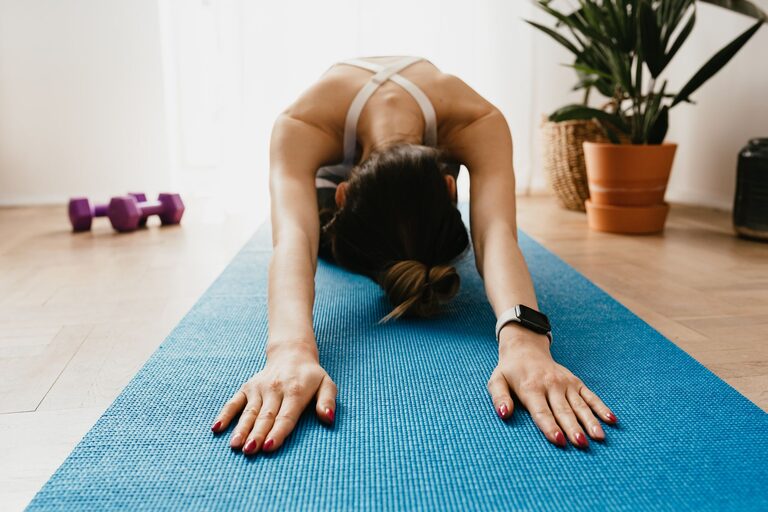
Stretching is a simple yet powerful way to improve your physical health and well-being. Whether you’re new to fitness or looking for a convenient way to stay active, stretching at home offers many benefits. This beginner’s guide will walk you through the basics of stretching, explain why it matters, and provide easy-to-follow routines you can do without any special equipment.
Why Stretching Matters
Stretching helps to lengthen muscles and tendons, increasing your range of motion and flexibility. It can reduce muscle stiffness and soreness, improve blood flow, and lower the risk of injuries during everyday activities or exercise. Regular stretching also promotes better posture and can help relieve stress by relaxing your body.
When to Stretch
You can stretch at various times throughout the day:
– After Waking Up: Gentle stretches can wake up your muscles and prepare you for the day.
– Before Exercise: Dynamic stretches warm up your muscles to improve performance.
– After Exercise: Static stretches help relax muscles and improve flexibility.
– During Breaks: Stretching during work or study breaks reduces tension and boosts energy.
Types of Stretching
Understanding different types of stretching will help you choose the right routine:
Static Stretching
Involves holding a stretch in a comfortable position for 15-60 seconds. It is best done after your muscles are warm, such as after exercise.
Dynamic Stretching
Involves moving parts of your body through a full range of motion repeatedly. It’s an active form of stretching ideal for warming up.
Passive Stretching
Uses external forces like gravity or a partner to deepen the stretch.
Active Stretching
Uses your own muscle strength to hold a stretch without assistance.
For beginners, static and dynamic stretching are the easiest to start with at home.
Basic Stretching Routine for Beginners
This simple routine targets major muscle groups and takes about 10-15 minutes.
1. Neck Stretch
– Sit or stand tall.
– Slowly tilt your head toward your right shoulder until you feel a gentle stretch.
– Hold for 20 seconds.
– Repeat on the left side.
2. Shoulder Stretch
– Extend your right arm across your body.
– Use your left hand to press your right arm toward your chest.
– Hold for 20 seconds.
– Switch arms.
3. Chest Stretch
– Clasp your hands behind your back.
– Straighten your arms and lift your chest while squeezing your shoulder blades together.
– Hold for 20 seconds.
4. Triceps Stretch
– Raise your right arm overhead.
– Bend the elbow to touch the upper back.
– Use your left hand to gently press the right elbow.
– Hold for 20 seconds.
– Switch arms.
5. Side Stretch
– Stand with feet hip-width apart.
– Raise your right arm overhead and lean to the left.
– Hold for 20 seconds.
– Switch sides.
6. Hamstring Stretch
– Sit on the floor with your right leg extended and left leg bent.
– Reach toward your right toes while keeping your back straight.
– Hold for 20 seconds.
– Switch legs.
7. Quadriceps Stretch
– Stand on your left leg.
– Pull your right foot toward your buttocks by holding the ankle.
– Keep knees close together.
– Hold for 20 seconds.
– Switch legs.
8. Calf Stretch
– Stand facing a wall.
– Place your hands on the wall at shoulder height.
– Step back with your right foot, keeping it flat on the floor.
– Bend the left knee slightly.
– Hold for 20 seconds.
– Switch sides.
Tips for Effective Stretching
– Warm Up First: Light cardio like walking or marching in place for 3-5 minutes warms your muscles.
– Breathe Deeply: Inhale and exhale slowly while stretching.
– Don’t Bounce: Avoid bouncing, which can cause injury.
– Listen to Your Body: Stretch to the point of mild tension, not pain.
– Be Consistent: Stretch regularly to see improvements in flexibility.
Creating Your Stretching Space at Home
You don’t need much space to stretch, but a few elements can make it more comfortable:
– A yoga mat or soft surface.
– Comfortable clothing that allows movement.
– A quiet space free from distractions.
– A timer or clock to track stretch duration.
When to Consult a Professional
If you have any existing health conditions, injuries, or pain, it’s best to consult a doctor or physical therapist before starting a new stretching routine.
Final Thoughts
Stretching at home is a practical, low-cost way to improve your flexibility, reduce muscle tension, and support overall health. By following the basic stretches outlined in this guide and practicing them regularly, you’ll build a strong foundation for a more flexible and comfortable body. Remember, consistency is key—take it slow, listen to your body, and enjoy the benefits of stretching every day.