

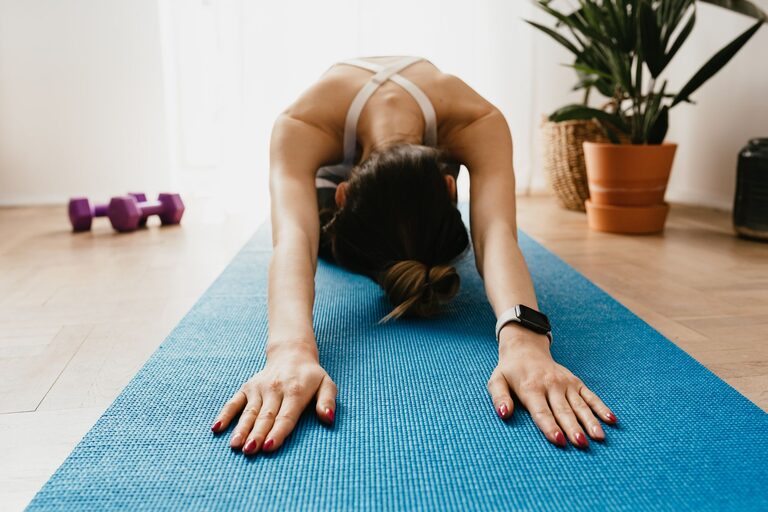
Stretching is a simple, accessible way to improve your flexibility, enhance circulation, and reduce muscle tension—all from the comfort of your home. Whether you’re just starting a fitness routine or looking to add a relaxing habit to your day, stretching offers numerous benefits without the need for special equipment or a gym membership.
In this beginner’s guide, we’ll explore why stretching is important, how to prepare, and step-by-step instructions for easy stretches to help you get started safely and effectively.
Why Stretching Matters
Stretching offers several benefits that support overall health and well-being:
– Improves flexibility: Regular stretching helps lengthen muscles, improving your range of motion.
– Reduces muscle stiffness: It can relieve tightness caused by sitting for long periods or after physical activity.
– Enhances circulation: Stretching increases blood flow to muscles, which helps with recovery and energy.
– Promotes relaxation: Gentle stretches can calm the nervous system and reduce stress.
– Prevents injuries: Flexible muscles and joints are less likely to experience strains or sprains.
Even a few minutes of stretching daily can make a noticeable difference in how your muscles feel and move.
Getting Ready to Stretch
Before you begin, keep these tips in mind:
– Choose a comfortable space: Find a quiet, open area with enough room to move freely.
– Wear comfortable clothing: Opt for loose or stretchy clothes that won’t restrict your movements.
– Warm up lightly: Stretching cold muscles can cause injury. Take 3–5 minutes to walk around or march in place.
– Breathe deeply: Focus on slow, steady breaths to help relax your body during each stretch.
– Avoid bouncing: Hold each stretch steadily without jerking or bouncing for safety.
Basic Stretching Routine for Beginners
Here is a simple routine to cover major muscle groups. Aim to hold each stretch for 15 to 30 seconds and repeat 2–3 times.
1. Neck Stretch
– Sit or stand tall.
– Slowly tilt your head to the right, bringing your right ear toward your shoulder.
– Hold and breathe.
– Repeat on the left side.
2. Shoulder Rolls
– Stand or sit with your back straight.
– Roll your shoulders forward in a circular motion 10 times.
– Then roll them backward 10 times.
3. Chest Opener
– Clasp your hands behind your back.
– Straighten your arms and gently lift your chest.
– Pull your shoulders back and down.
– Hold this position while breathing deeply.
4. Seated Forward Bend
– Sit on the floor with your legs extended straight in front of you.
– Slowly reach toward your toes, leading with your chest rather than your head.
– Stop when you feel a gentle stretch in your hamstrings and lower back.
– Hold and breathe steadily.
5. Cat-Cow Stretch (for spine flexibility)
– Start on your hands and knees in a tabletop position.
– Inhale and arch your back, lifting your head and tailbone (Cow Pose).
– Exhale and round your back, tucking your chin and pelvis (Cat Pose).
– Repeat this flow 5–8 times.
6. Hip Flexor Stretch
– Kneel on your right knee and place your left foot flat on the floor in front.
– Shift your weight forward slightly until you feel a stretch in your right hip.
– Hold and breathe.
– Switch sides.
7. Calf Stretch
– Stand facing a wall with your hands placed at shoulder height.
– Step your right foot back, keeping it flat on the floor.
– Bend your left knee and lean forward slightly.
– Feel the stretch in your right calf.
– Hold and switch legs.
Tips for Success
– Consistency is key: Try to stretch daily or at least 3–4 times a week.
– Listen to your body: Stretching should never be painful. If you feel sharp pain, ease off.
– Gradually increase duration: Start with shorter hold times, then extend as your flexibility improves.
– Use props if needed: A yoga strap, towel, or cushion can help support your stretches.
– Stay hydrated: Drinking water supports muscle health and recovery.
When to Stretch
Stretching can fit smoothly into many parts of your day:
– In the morning, to wake up your body.
– Before or after exercise.
– During work breaks, especially if you sit for long hours.
– In the evening, to relax before bed.
Finding a time that works for you will make it easier to maintain your stretching habit.
Final Thoughts
Starting a stretching routine at home is a simple, effective way to boost your flexibility, reduce stress, and support overall wellness. With practice and patience, stretches that once felt challenging will become easier, and you’ll likely notice improvements in how your body feels and moves. Remember to go at your own pace and enjoy the process of taking care of yourself one stretch at a time.
Ready to get started? Roll out a mat, breathe deeply, and give your body some loving attention today!