

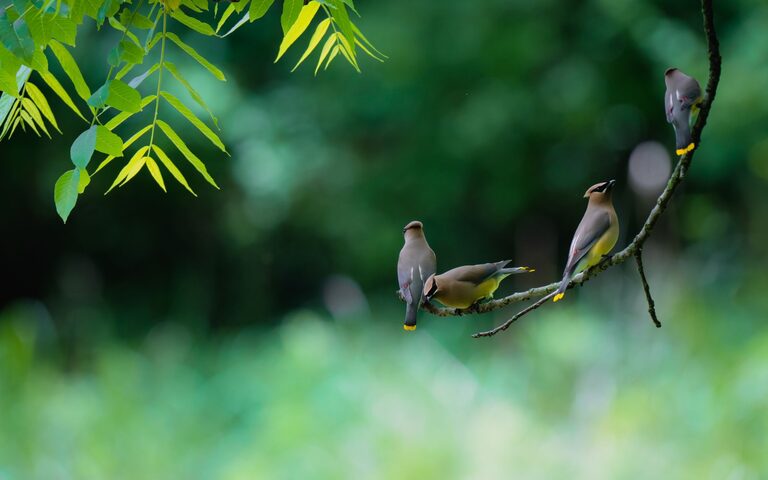
Birdwatching is a relaxing and rewarding hobby that anyone can enjoy, especially right in their own backyard. Whether you live in a city, suburb, or rural area, watching birds offers a chance to connect with nature, learn about wildlife, and bring a little peace into your day. If you’re new to birdwatching, these beginner tips will help you get started and make the most of your backyard birdwatching experience.
Why Backyard Birdwatching?
Backyard birdwatching is a convenient way to observe a variety of birds without needing to travel far. It can also support local wildlife by providing food, water, and shelter. Plus, it’s a perfect activity for all ages and skill levels.
Getting Started: What You Need
You don’t need much to start birdwatching. Here are a few basics:
– Binoculars: A good pair of binoculars can help you see birds clearly from a distance.
– Bird Identification Guide or App: These tools help you learn about different bird species and their habits.
– Notebook or Bird Journal: Recording your sightings can be fun and educational.
– Bird Feeder and Birdseed: Attract birds to your yard with a variety of feeders and seeds.
Choosing the Right Bird Feeders and Food
Different birds prefer different types of food and feeders. Here’s a quick guide:
– Tube Feeders: Great for small birds like finches and chickadees; fill with sunflower seeds or mixed seeds.
– Platform Feeders: Open tray feeders attract larger birds like cardinals and jays.
– Suet Feeders: Ideal for woodpeckers and nuthatches; suet cakes provide high energy.
– Hummingbird Feeders: Use sugar water (four parts water to one part sugar) to attract hummingbirds.
Remember to keep feeders clean to prevent disease.
Creating a Bird-Friendly Backyard
To encourage birds to visit often, provide a welcoming environment:
– Native Plants: Plant shrubs, trees, and flowers that offer natural food and shelter.
– Water Source: A birdbath or shallow dish of water attracts birds, especially during hot weather.
– Shelter: Brush piles, dense bushes, or birdhouses offer protection and nesting spots.
– Avoid Pesticides: Chemicals can harm birds and the insects they eat.
Best Times for Birdwatching
Birds are often most active in the early morning and late afternoon. These times offer excellent opportunities for sightings and are usually quieter for a peaceful experience.
Tips for Observing Birds
– Be Patient and Quiet: Move slowly and avoid loud noises to prevent scaring birds away.
– Use Binoculars Properly: Practice focusing to get a clear view.
– Note Behavior and Colors: Observing how a bird acts or its unique markings can help with identification.
– Take Photos or Sketch: Capturing images or drawings can enhance your understanding and memories.
Common Birds You Might See
Depending on your region, you might spot:
– Sparrows
– Cardinals
– Blue Jays
– Chickadees
– Robins
– Woodpeckers
– Hummingbirds
Each species has unique traits and behaviors that make birdwatching interesting.
Joining the Birdwatching Community
Consider connecting with local birdwatching groups or online communities. These groups often organize events, share tips, and provide support for beginners.
Final Thoughts
Backyard birdwatching is an enjoyable way to appreciate the natural world right at home. By preparing your space, choosing the right feeders and food, and practicing patient observation, you’ll soon find yourself identifying and enjoying the beautiful variety of birds visiting your yard.
Happy birdwatching!